
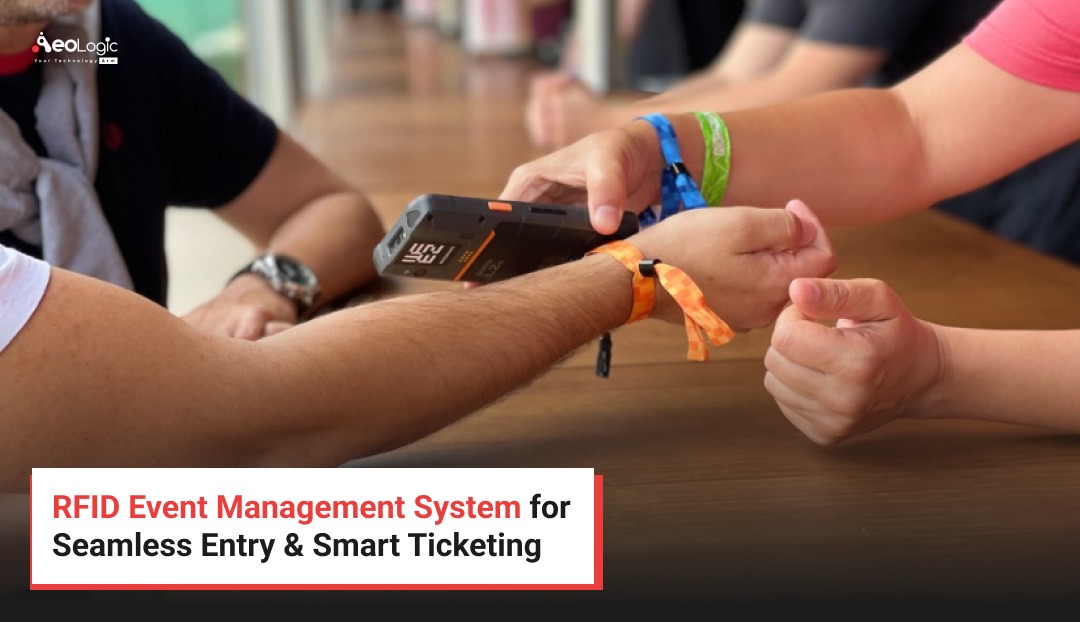

Events today are no longer just about gathering people in one place. They are about creating memorable, secure, data-driven, and seamless experiences. From large music festivals and global trade shows to corporate conferences and private exhibitions, event organizers face growing pressure to manage entry, track attendance, prevent fraud, and deliver personalized experiences—all while keeping operations efficient. This is where an RFID event management system is transforming the way events are planned and executed.
By combining smart ticketing, real-time data tracking, and automated access control, RFID technology eliminates long queues, reduces manual errors, and enhances attendee satisfaction. As the event industry becomes more competitive and technology-driven, RFID-based solutions are quickly becoming the gold standard for modern event management. In this in-depth guide, we’ll explore what an RFID event management system is, why it matters today, how it works, the benefits it delivers, challenges involved, and where the future is headed.
What an RFID Event Management System Is and How It Works
An RFID event management system is a technology-driven solution that uses Radio Frequency Identification to manage and monitor event operations through RFID-enabled badges, wristbands, or cards. Each RFID tag contains a unique identifier that communicates wirelessly with RFID readers placed at entry points, session halls, and activity zones. This allows event organizers to authenticate attendees, control access, and record participation automatically without manual ticket scanning.
Beyond simple entry management, an RFID event management system acts as a centralized digital platform that collects real-time data on attendee movement, engagement, and behavior. Organizers can use these insights to enhance security, personalize experiences, manage crowds efficiently, and evaluate event performance. By replacing manual processes with automated, contactless interactions, RFID systems help deliver faster, smarter, and more secure event experiences.
Traditional Event Management vs. RFID Event Management Systems
| Feature | Traditional Event Management | RFID Event Management System |
|---|---|---|
| Ticketing Method | Paper tickets or QR codes; often manually checked at entry | Smart RFID-enabled badges, wristbands, or cards linked to digital profiles |
| Entry Process | Manual scanning or verification; line-of-sight required; longer queues | Contactless, automatic detection; instant verification for faster entry |
| Speed and Efficiency | Slower, especially for large crowds; high dependency on staff | High-speed entry with minimal human intervention; supports thousands per hour |
| Fraud Prevention | Susceptible to ticket duplication, counterfeit passes, and re-entry abuse | Unique, encrypted RFID tags prevent duplication and unauthorized access |
| Attendee Experience | Longer waiting times, less personalized interactions | Smooth, seamless entry with personalized access and engagement opportunities |
| Data Tracking | Limited; mostly manual or post-event reporting | Real-time tracking of attendee movement, session attendance, and engagement |
| Payment Integration | Cash or card payments; slower and prone to errors | Supports cashless payments directly through RFID tags, reducing queues and increasing convenience |
| Operational Oversight | Manual supervision; harder to monitor crowd flow | Live dashboards provide instant insights into crowd density, access points, and session popularity |
While traditional event management relies heavily on manual processes, RFID event management systems offer smart ticketing, seamless entry, and real-time operational intelligence, improving efficiency, security, and the overall attendee experience.
Why an RFID Event Management System Is Essential for Modern Events
The modern event landscape demands speed, security, and intelligence. Manual check-ins, paper tickets, and disconnected systems simply can’t keep up with large crowds or high expectations. Attendees expect frictionless entry, personalized interactions, and minimal waiting time. Organizers need accurate data, fraud prevention, and operational visibility.
An RFID event management system addresses these demands by enabling real-time monitoring and automation. In a world increasingly shaped by digital transformation, RFID technology allows events to operate like smart ecosystems rather than isolated, manual processes.
Security concerns are also rising. Counterfeit tickets, unauthorized access, and overcrowding pose serious risks. RFID-based systems significantly reduce these threats by providing encrypted, tamper-resistant identification and instant access control.
Additionally, post-pandemic expectations have shifted toward contactless solutions. RFID supports hygienic, touch-free interactions, making it highly relevant in today’s health-conscious environment.
Key Benefits of an RFID Event Management System
Seamless and Fast Event Entry
RFID-enabled badges or wristbands allow attendees to enter venues instantly without manual scanning or ticket checks.
Example: Large music festivals use RFID gates to process thousands of attendees per hour, reducing long queues and improving crowd flow.
Enhanced Security and Fraud Prevention
Each RFID tag has a unique, encrypted identity, making ticket duplication and unauthorized access extremely difficult.
Example: Sports stadiums use RFID access control to restrict VIP lounges and player areas to authorized individuals only.
Real-Time Attendance and Crowd Analytics
Organizers can monitor attendance, movement patterns, and session popularity in real time.
Example: Corporate conferences use RFID data to track session engagement and optimize room allocation during the event.
Improved Attendee Experience and Personalization
RFID tags link to attendee profiles, enabling personalized access, targeted notifications, and tailored experiences.
Example: Trade shows use RFID to identify returning visitors and provide customized booth recommendations.
Cashless Payments and Faster Transactions
RFID supports quick, secure, cashless payments for food, merchandise, and services.
Example: Theme parks and festivals increase per-visitor spending by enabling RFID-based wristband payments.
Actionable Post-Event Insights
Detailed reports help organizers evaluate event performance and ROI.
Example: Event agencies use RFID analytics to improve future event planning and sponsorship value.
How an RFID Event Management System Work in Practice
Attendee Registration and RFID Assignment
Before the event, attendees complete online registration. Each registered participant is assigned an RFID-enabled badge, card, or wristband that is linked to their unique digital profile in the event management system.
RFID Tag Activation and Configuration
The RFID tags are programmed with access permissions based on attendee type, such as general admission, VIP, staff, or exhibitors. This ensures controlled access to specific zones and sessions.
Smart Entry and Access Control
RFID readers are installed at entry gates and restricted areas. When an attendee approaches, the reader instantly detects the RFID tag and verifies access without physical contact, allowing fast and secure entry.
Real-Time Tracking and Data Collection
Every interaction—entry, session attendance, or booth visit—is automatically recorded. Organizers can monitor attendee movement and crowd density through live dashboards.
Cashless Transactions and Engagement
RFID tags can be used for cashless payments, interactive experiences, and personalized services, improving convenience and engagement for attendees.
Live Monitoring and Issue Management
Event teams receive real-time alerts for unauthorized access, overcrowding, or system issues, allowing quick response and smooth operations.
Post-Event Reporting and Insights
After the event, detailed analytics help organizers evaluate attendance, engagement, and overall event performance to improve future planning.
How Businesses and Event Organizers Use RFID Systems
Large-Scale Event Entry Management
-
RFID systems enable fast, contactless entry for thousands of attendees.
-
Access rules are automatically enforced based on ticket type.
-
Reduces queues, staffing needs, and manual ticket checks.
Corporate Conferences and Seminars
-
Tracks session attendance and workshop participation.
-
Helps measure engagement levels and event ROI.
-
Enables controlled access to invite-only meetings and VIP areas.
Trade Shows and Exhibitions
-
Monitors booth visits and attendee movement.
-
Automatically captures leads and visitor data for exhibitors.
-
Provides insights into high-traffic zones and popular exhibits.
Music Festivals and Entertainment Events
-
Supports RFID wristbands for entry, re-entry, and VIP zones.
-
Enables cashless payments for food and merchandise.
-
Enhances fan engagement through interactive RFID experiences.
Sports Events and Stadium Operations
-
Controls access to seating sections, lounges, and restricted areas.
-
Prevents ticket fraud and unauthorized entry.
-
Improves overall fan flow and safety management.
Sponsorship and Brand Engagement
-
Tracks attendee interactions with sponsor zones.
-
Measures sponsorship value through real-time engagement data.
-
Enables personalized offers and targeted brand experiences.
Post-Event Analysis and Planning
-
Provides detailed reports on attendance, behavior, and engagement.
-
Helps organizers optimize layouts, schedules, and staffing for future events.
Challenges Associated with an RFID Event Management System
High Initial Implementation Costs
RFID hardware, software integration, and infrastructure can require significant upfront investment.
Solution: Opt for scalable and modular RFID event management systems that allow organizers to start small and expand features as event size and needs grow.
Technical Integration Complexity
Integrating RFID with existing registration platforms, CRMs, or payment systems can be complex.
Solution: Work with experienced RFID solution providers and conduct thorough pre-event testing to ensure seamless system compatibility.
Data Privacy and Compliance Concerns
RFID systems collect real-time attendee data, raising concerns about privacy and regulatory compliance.
Solution: Implement clear consent policies, encrypted data storage, and compliance with data protection regulations such as GDPR.
Signal Interference and Hardware Reliability
Metal structures, crowded environments, or improper setup may cause signal interference.
Solution: Perform site surveys, use high-quality RFID equipment, and position readers strategically to ensure accurate data capture.
Staff Training and Operational Readiness
Event staff may lack familiarity with RFID technology.
Solution: Provide hands-on training sessions and ensure on-site technical support during the event.
Attendee Awareness and Adoption
Some attendees may be unfamiliar with RFID usage.
Solution: Offer clear instructions during registration and at entry points to encourage smooth adoption and usage.
Future Trends in RFID Event Management Systems
AI-Driven Event Intelligence
Artificial intelligence will enhance RFID event management systems by analyzing real-time data to predict crowd movement, session demand, and potential congestion, enabling proactive event management.
Deeper Personalization and Attendee Engagement
RFID systems will increasingly integrate with mobile apps and CRM platforms to deliver personalized schedules, targeted notifications, and customized experiences based on attendee behavior and preferences.
Expansion of Contactless and Cashless Ecosystems
RFID-based cashless payments will continue to grow, offering faster transactions, reduced physical contact, and improved spending insights for organizers and vendors.
Sustainable and Reusable RFID Solutions
Eco-friendly RFID wristbands and reusable badges will gain traction as events focus on sustainability and waste reduction, aligning technology with environmental goals.
Integration with IoT and Smart Venues
RFID systems will connect with IoT devices such as smart lighting, digital signage, and access control systems to create fully automated, intelligent event environments.
Enhanced Security and Identity Management
Advanced encryption and blockchain-based verification will further strengthen RFID security, minimizing fraud and ensuring trusted identity management.
Cloud-Based and Scalable Platforms
Cloud-driven RFID event management systems will enable remote monitoring, easy scalability, and faster deployment across events of all sizes.
Conclusion
An RFID event management system is no longer a luxury—it is a strategic necessity for modern events. From seamless entry and smart ticketing to real-time analytics and enhanced security, RFID technology empowers organizers to deliver exceptional experiences while maintaining operational control.
As attendee expectations continue to rise and events become more complex, RFID-based solutions provide the scalability, intelligence, and efficiency needed to succeed. Organizations that adopt RFID today are better positioned to innovate, personalize, and optimize their events tomorrow.
For businesses seeking to implement advanced RFID solutions as part of their broader digital transformation strategy, technology partners like Aeologic Technologies play a key role in delivering secure, scalable, and future-ready event management systems.
Frequently Asked Questions
Q1. What is an RFID event management system and how does it work?
An RFID event management system uses Radio Frequency Identification technology to manage attendee access, track movement, and enable smart ticketing. Each attendee receives an RFID-enabled badge, wristband, or card, which communicates with readers at entry points and activity zones, allowing seamless entry and real-time data collection.
Q2. What are the advantages of using RFID over traditional ticketing?
RFID provides faster, contactless entry, improved security, reduced ticket fraud, real-time analytics, and cashless payment options. Unlike traditional tickets, it offers a smoother attendee experience and actionable insights for event organizers.
Q3. Can RFID systems be used for small or mid-sized events?
Yes. RFID solutions are scalable and can be adapted to events of any size. Small or mid-sized events can benefit from touchless entry, attendee tracking, and cashless payments without high operational complexity.
Q4. How secure is an RFID event management system?
RFID tags use unique identifiers and encrypted data, making them extremely difficult to duplicate or tamper with. Access permissions can be managed in real time, ensuring only authorized attendees can enter restricted areas.
Q5. What industries or types of events benefit the most from RFID systems?
RFID is widely used in music festivals, trade shows, corporate conferences, sports events, exhibitions, and theme parks. Any event requiring fast entry, personalized experiences, crowd management, and secure access can benefit from RFID technology.