

Managing employee attendance has always been a critical yet time-consuming task for businesses. As organizations grow and workforces become more distributed, traditional attendance methods such as manual registers, punch cards, and even biometric systems start to show their limitations. Errors, time theft, proxy attendance, and administrative overload become common challenges. This is where RFID attendance solutions step in as a modern, reliable, and scalable alternative.
In today’s fast-paced business environment, companies are increasingly focusing on workforce automation to improve efficiency, accuracy, and productivity. RFID attendance solutions play a vital role in this transformation by enabling seamless, contactless, and real-time attendance tracking. Moreover, these solutions integrate smoothly with payroll, HR, and access control systems, making them a cornerstone of digital workforce management.
This blog explores the best these solutions for workforce automation, explains how they work, highlights their benefits, discusses challenges, and looks ahead to future trends. Whether you manage a factory, corporate office, hospital, or educational institution, understanding RFID implementation can help you make smarter operational decisions.
What RFID Attendance Solutions Mean
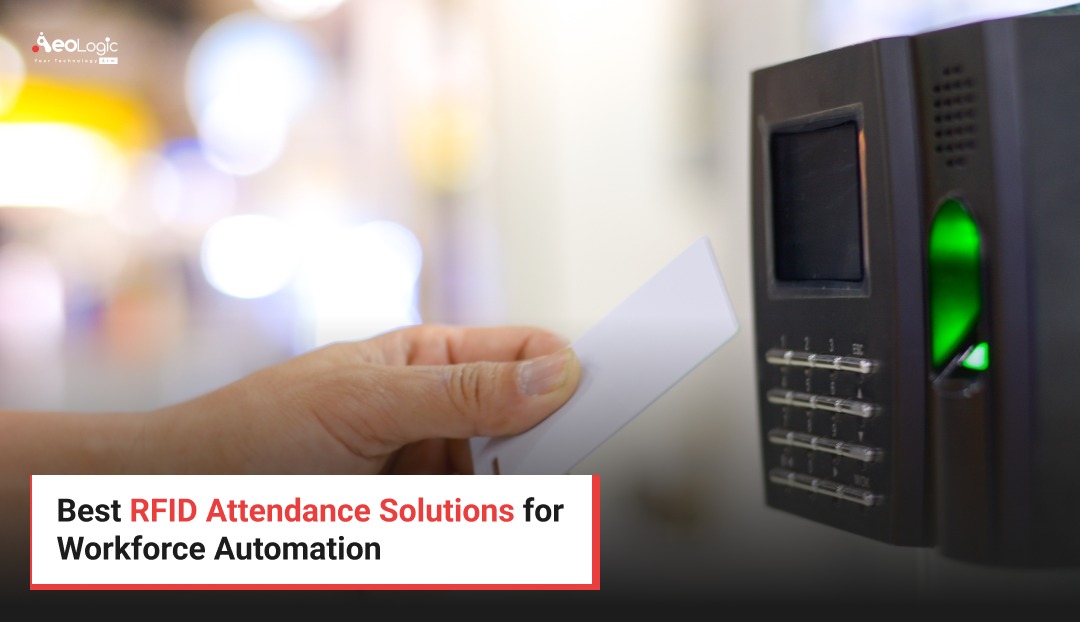
RFID attendance solutions refer to automated attendance management systems that use Radio Frequency Identification (RFID) technology to track employee presence. Each employee is issued an RFID card, tag, or badge that communicates with an RFID reader when brought within range. The system records attendance data instantly without physical contact.
Unlike manual or biometric methods, these solutions offer speed, convenience, and reliability. Employees simply tap or walk past a reader, and their attendance is logged automatically. Therefore, organizations can eliminate manual errors while gaining real-time visibility into workforce movement.
An RFID attendance system typically includes RFID cards or tags, RFID readers, backend software, and cloud or on-premise databases. Together, these components create a robust ecosystem for tracking employee attendance efficiently.
Importance of RFID Attendance Solutions in Today’s World
Workplaces today demand speed, accuracy, and flexibility. Remote work, shift-based operations, and compliance requirements have made attendance management more complex than ever. Hence, businesses are turning toward RFID attendance solutions to simplify workforce automation.
Firstly, modern organizations require contactless systems to maintain hygiene and safety. RFID technology enables touch-free attendance, making them ideal for post-pandemic workplaces. Secondly, companies need real-time data to make informed decisions. An RFID attendance system provides instant insights into attendance patterns, absenteeism, and workforce utilization.
Moreover, regulatory compliance and labor laws require accurate attendance records. Manual systems often fail audits due to inconsistencies. However, this technology ensures transparency and traceability, which helps organizations stay compliant.
RFID Attendance System for Workforce Automation
Faster and Contactless Attendance
RFID-based automation enables quick, contactless attendance tracking, reducing queues and saving valuable working time for employees and HR teams.
Improved Accuracy and Transparency
Automated data capture eliminates manual errors and prevents time theft, ensuring fair and transparent attendance records across the organization.
Seamless Workforce Integration
RFID systems integrate easily with HR, payroll, and access control platforms, creating a unified workforce automation ecosystem.
Scalability for Growing Organizations
Businesses can easily scale RFID-based automation as their workforce expands across locations without increasing administrative workload.
Data-Driven Decision Making
Real-time attendance data and analytics help managers optimize staffing, improve productivity, and support compliance requirements.
Benefits of RFID Attendance Solutions
Accurate and Error-Free Attendance
RFID attendance solutions automatically capture employee check-in and check-out data, eliminating manual errors and ensuring reliable attendance records.
Faster and Contactless Operations
Employees can mark attendance instantly without physical contact, reducing delays and maintaining hygiene in modern workplaces.
Enhanced Workforce Productivity
Automated attendance tracking saves administrative time and allows HR teams to focus on strategic workforce initiatives.
Seamless Integration with Business Systems
RFID attendance solutions integrate smoothly with HR, payroll, and access control systems, enabling end-to-end workforce automation.
Improved Compliance and Transparency
Time-stamped records support labor law compliance and reduce payroll disputes through clear, auditable attendance data.
Scalable and Cost-Effective
RFID attendance solutions adapt easily to business growth, supporting multiple locations and large workforces without added complexity.
RFID Attendance System for Workforce Automation in Different Industries
Manufacturing and Industrial Facilities
Manufacturing units operate on shifts and strict schedules. An RFID attendance system for workforce automation ensures accurate shift tracking, overtime calculation, and workforce allocation. RFID attendance solutions help plant managers monitor worker presence in real time, thereby improving productivity and safety.
Corporate Offices and IT Companies
In corporate environments, flexibility and hybrid work models are common. RFID attendance solutions allow seamless tracking of in-office attendance while integrating with remote work policies. An RFID attendance system also supports access control, ensuring only authorized personnel enter specific areas.
Healthcare and Hospitals
Hospitals require strict access control and accurate attendance for compliance. RFID attendance solutions enable staff tracking without physical contact, which is crucial in healthcare settings. Moreover, an RFID attendance system ensures accurate shift handovers and staffing levels.
How RFID Attendance Systems Work
- Understanding How RFID attendance systems work helps businesses appreciate their value. The process begins with assigning each employee a unique RFID card or tag linked to their profile in the system.
- When an employee enters or exits the workplace, the RFID reader scans the card automatically. The reader then sends the data to the backend software. This is the core of How RFID attendance systems work, ensuring instant and accurate data capture.
- Next, the system processes the data and stores it securely in a database. Managers and HR teams can access this information through dashboards and reports. Therefore, RFID attendance solutions provide complete visibility into attendance records.
Challenges in Implementing RFID Attendance Solutions
Initial Setup and Infrastructure Costs
Implementing RFID attendance solutions may require upfront investment in RFID readers, cards, and system integration, which can be challenging for small businesses.
Integration with Existing Systems
Some organizations face difficulties integrating RFID attendance solutions with existing HR, payroll, or legacy systems without proper technical support.
Data Security and Privacy Concerns
Since attendance data is sensitive, businesses must ensure strong encryption, secure access controls, and compliance with data protection regulations.
Employee Adoption and Training
Employees may initially resist new attendance technologies. Clear communication and basic training are essential for smooth adoption.
Technical Maintenance and Reliability
RFID hardware requires periodic maintenance to ensure accurate data capture, especially in high-traffic or industrial environments.
Advanced Use Cases of RFID Attendance System for Workforce Automation
Enhancing Productivity Through Data Insights
An RFID attendance system for workforce automation does more than record attendance; it turns data into actionable insights. By analyzing attendance trends, businesses can identify frequent absenteeism, late arrivals, and workforce bottlenecks. As a result, managers can take proactive steps to improve productivity.
For example, factories using RFID attendance solutions can identify underutilized shifts and redistribute manpower accordingly. Similarly, corporate offices can analyze peak working hours to optimize resource usage. Therefore, data-driven decision-making becomes easier and more accurate.
Supporting Compliance and Audit Readiness
Compliance is a major concern across industries. Labor laws require accurate attendance and overtime records. An RFID attendance system automatically maintains time-stamped logs, ensuring audit readiness at all times.
Moreover, RFID attendance solutions reduce disputes related to attendance and payroll. Since the data is automated and tamper-proof, both employers and employees benefit from increased transparency.
How RFID Attendance Systems Work in Real-World Scenarios
RFID attendance systems use radio-frequency identification technology to track employee attendance automatically and accurately. Each employee is assigned a unique RFID card, tag, or badge that stores their identification information.
When the employee comes within range of an RFID reader—typically at entry or exit points—the reader detects the card and sends the data to the system. The software instantly records the check-in or check-out time, creating a digital log of attendance.
These logs are stored securely in a centralized database, which HR and management teams can access via dashboards or reporting tools. Many RFID attendance solutions integrate with payroll, HR, and access control systems, streamlining administrative tasks and ensuring accurate salary calculations.
Some advanced systems also support cloud-based platforms and mobile access, allowing managers to monitor attendance in real-time across multiple locations. RFID attendance systems are contactless, reducing queues, improving hygiene, and eliminating errors like buddy punching.
In short, RFID attendance solutions combine hardware, software, and integration capabilities to create a fast, accurate, and scalable workforce automation system that enhances productivity, accountability, and operational efficiency.
Addressing Common Concerns About RFID Attendance Solutions
Data Privacy and Security
-
Encrypted data storage and secure transmission
-
Role-based access to protect employee information
-
Compliance with labor and data protection regulations
System Accuracy and Reliability
-
Automated, real-time data capture reduces errors
-
Offline data storage with automatic sync
-
High-performance readers ensure consistent tracking
Implementation and Cost
-
Scalable solutions suitable for small and large businesses
-
Cloud-based deployment lowers upfront investment
-
Easy integration with existing HR and payroll systems
Employee Adoption
-
Contactless and fast attendance experience
-
Minimal training required
-
Transparent tracking builds trust and acceptance
Future Trends Shaping RFID Attendance Solutions
AI-Driven Attendance Analytics
RFID attendance solutions are evolving with AI-powered analytics that predict absenteeism, optimize shift planning, and improve workforce productivity through data-driven insights.
Cloud-Based and Mobile Integration
Modern RFID attendance systems are moving to the cloud, enabling real-time access, remote monitoring, and seamless mobile integration for distributed workforces.
IoT-Enabled Smart Workplaces
These solutions are increasingly integrating with IoT and smart building systems, allowing automated access control, energy optimization, and enhanced security.
Enhanced Data Security and Compliance
Future RFID technology will focus on advanced encryption, role-based access, and compliance-ready frameworks to protect employee data and meet regulatory standards.
Conclusion
In a world where efficiency, accuracy, and automation define success, RFID attendance solutions have emerged as a powerful tool for modern workforce management. From eliminating manual errors to enabling real-time insights, these solutions transform how businesses manage attendance.
An RFID attendance system for workforce automation supports scalability, compliance, and productivity across industries. The Benefits of RFID attendance solutions extend beyond operational efficiency, fostering transparency, accountability, and employee satisfaction.
As digital transformation accelerates, organizations that invest in advanced attendance technologies gain a competitive edge. Companies like Aeologic Technologies are helping businesses adopt smart, scalable, and future-ready workforce automation solutions that align with evolving enterprise needs.
Frequently Asked Questions
Q1. What makes RFID attendance solutions better than traditional systems?
RFID attendance solutions offer contactless, automated, and real-time attendance tracking. Unlike manual or biometric systems, they reduce errors, prevent time theft, and integrate seamlessly with HR and payroll platforms.
Q2. How does an RFID attendance system for workforce automation improve efficiency?
An RFID attendance system for workforce automation automates data capture, reporting, and integration. Therefore, HR teams save time, and managers gain instant visibility into workforce availability.
Q3. Are RFID attendance systems suitable for small businesses?
Yes, modern RFID attendance systems are scalable and cost-effective. Cloud-based RFID attendance solutions make adoption easier for small and medium-sized enterprises.
Q4. How RFID attendance systems work without physical contact?
To understand How RFID attendance systems work, employees carry RFID cards that communicate wirelessly with readers. Attendance is recorded automatically when the card comes within range.
Q5. What are the long-term benefits of RFID attendance solutions?
The long-term Benefits of RFID attendance solutions include improved accuracy, compliance, workforce insights, scalability, and enhanced employee trust.