
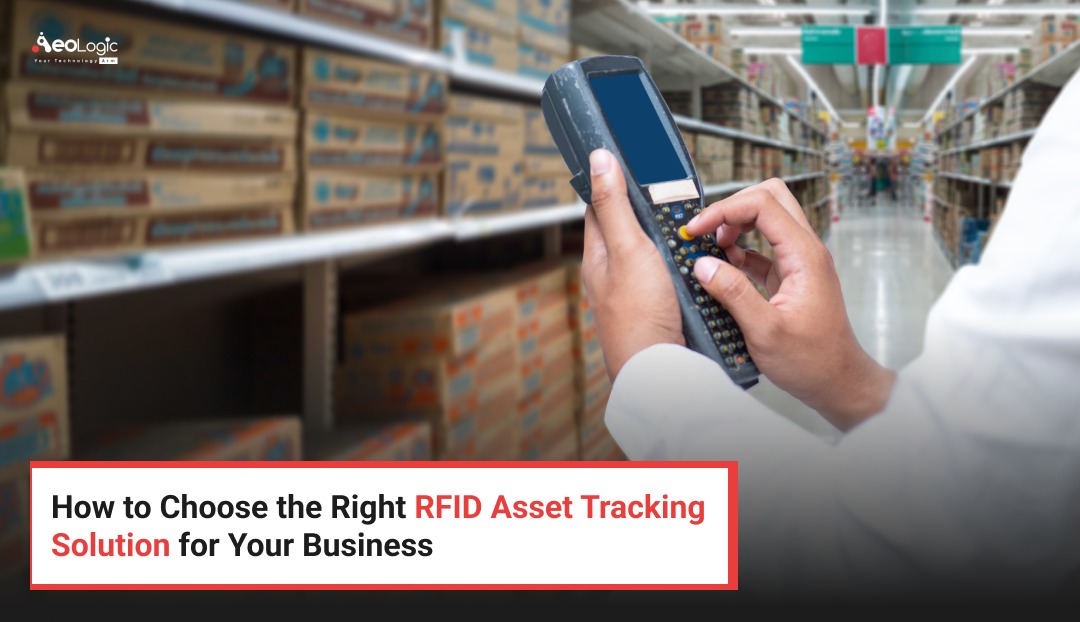

In today’s fast-moving business environment, knowing exactly where your assets are, how they are being used, and when they need attention is no longer a luxury—it is a necessity. From manufacturing equipment and medical devices to IT hardware and warehouse inventory, assets form the backbone of operational efficiency. However, traditional tracking methods such as spreadsheets, barcodes, or manual audits often fall short. They are time-consuming, error-prone, and lack real-time visibility. This is where an RFID asset tracking solution becomes a game changer. By leveraging radio frequency identification technology, businesses can automatically track, manage, and analyze assets with minimal human intervention. As organizations continue to embrace digital transformation, RFID-based tracking systems are rapidly becoming a strategic investment rather than a technical add-on.
However, choosing the right RFID asset tracking solution is not as simple as picking a vendor or installing tags. Every business has unique workflows, asset types, compliance requirements, and growth plans. Therefore, making the right choice requires a clear understanding of what RFID asset tracking truly means, why it matters today, and how it aligns with long-term business goals.
This guide walks you through everything you need to know—from foundational concepts and benefits to practical use cases and selection insights—so you can confidently choose an RFID asset tracking solution that delivers real, measurable value.
What an RFID Asset Tracking Solution Means
At its core, an RFID asset tracking solution is a system that uses radio waves to identify, track, and manage physical assets automatically. Unlike barcodes that require line-of-sight scanning, RFID tags can be read remotely and simultaneously, even when assets are moving or stored in bulk.
An RFID asset tracking solution typically consists of three main components. Firstly, RFID tags are attached to assets, These tags store unique identification data and may be passive, active, or semi-passive depending on the use case. Secondly, RFID readers capture signals from the tags and transmit the data to backend systems. Thirdly, asset tracking software processes this data, providing dashboards, alerts, analytics, and integrations with existing business systems.
What makes an RFID asset tracking solution powerful is not just the technology itself, but how it integrates into daily operations. It allows businesses to gain real-time visibility into asset location, condition, movement history, and utilization patterns. As a result, organizations can shift from reactive asset management to proactive, data-driven decision-making.
Moreover, modern RFID asset tracking solutions often integrate with cloud platforms, IoT systems, and enterprise software such as ERP or CMMS. This creates a unified digital ecosystem where asset data supports broader operational and strategic goals.
Importance of RFID Asset Tracking in Today’s World
In an era defined by efficiency, accountability, and digital intelligence, the importance of an RFID asset tracking solution cannot be overstated. Businesses today face increasing pressure to reduce costs, improve productivity, ensure compliance, and deliver better customer experiences—all while managing complex asset networks.
Firstly, globalization and distributed operations have made manual asset tracking nearly impossible. Companies often operate across multiple warehouses, offices, or facilities, making real-time asset visibility critical. An RFID asset tracking solution enables centralized monitoring, even across geographically dispersed locations.
Secondly, regulatory compliance and audit readiness have become more stringent, particularly in industries such as healthcare, pharmaceuticals, aerospace, and logistics. Missing or unaccounted assets can lead to compliance violations, safety risks, and financial penalties. RFID-based tracking provides accurate, timestamped records that support audits and reporting requirements effortlessly.
Additionally, labor shortages and rising operational costs have forced organizations to automate wherever possible. By reducing manual tracking efforts, an RFID asset tracking solution frees up employees to focus on higher-value tasks. This not only improves productivity but also reduces human error.
Furthermore, data-driven decision-making is now a competitive differentiator. Businesses that can analyze asset usage trends, maintenance cycles, and lifecycle costs gain a strategic advantage. RFID asset tracking solutions provide the data foundation needed to support predictive maintenance, capacity planning, and continuous improvement initiatives.
Therefore, in today’s digital-first world, adopting the right RFID asset tracking solution is less about technology adoption and more about long-term business resilience.
Key Benefits of an RFID Asset Tracking Solution
Implementing an RFID asset tracking solution offers a wide range of tangible and strategic benefits. While the exact value varies by industry and use case, several advantages are universally applicable.
Real-Time Asset Visibility
One of the most significant benefits is real-time visibility. Businesses can instantly locate assets without manual searches. Whether it is a critical medical device in a hospital or a pallet in a warehouse, RFID tracking ensures assets are always accounted for.
Improved Asset Utilization
Many organizations own more assets than they actually need, simply because they lack visibility into usage patterns. An RFID asset tracking solution reveals how often assets are used, where they sit idle, and when they are overutilized. Consequently, businesses can optimize asset allocation and reduce unnecessary purchases.
Reduced Loss and Theft
Asset loss, misplacement, and theft are costly problems. RFID tracking significantly reduces these risks by providing automated movement tracking and alerts for unauthorized removal. This is particularly valuable for high-value or sensitive assets.
Operational Efficiency and Automation
Manual asset tracking consumes time and resources. RFID automates data collection, eliminating repetitive tasks such as scanning barcodes or updating spreadsheets. As a result, operations become faster, more accurate, and less dependent on human intervention.
Enhanced Maintenance and Lifecycle Management
By tracking asset history and usage data, an RFID asset tracking solution supports predictive and preventive maintenance strategies. This reduces downtime, extends asset lifespan, and lowers maintenance costs over time.
Data-Driven Insights
Beyond tracking, RFID solutions generate actionable insights. Businesses can analyze trends, identify bottlenecks, and make informed decisions backed by real data rather than assumptions.
How Businesses Use RFID Asset Tracking Solutions
The versatility of an RFID asset tracking solution makes it applicable across multiple industries and business functions. However, successful implementation depends on aligning the solution with specific operational needs.
Manufacturing Industry
-
Monitor tools, machinery, and work-in-progress inventory
-
Track asset movement across the production floor
-
Minimize operational delays
-
Improve production throughput and efficiency
Healthcare Sector
-
Manage medical equipment such as infusion pumps
-
Track wheelchairs and diagnostic devices with RFID
-
Ensure critical equipment availability
-
Support proper maintenance schedules
-
Enhance overall patient care
Logistics and Warehousing
-
Enable automated inventory counts
-
Track shipments in real time
-
Improve yard and warehouse management
-
Scan hundreds of items simultaneously
-
Reduce processing and handling time
Information Technology (IT) Departments
-
Track laptops, servers, and network equipment
-
Simplify asset audits
-
Improve equipment security
-
Ensure compliance with internal asset management policies
Other Business Sectors
-
Educational institutions for equipment accountability
-
Retail chains for inventory and asset visibility
-
Construction firms for tool and equipment tracking
-
Improve operational transparency across facilities
How an RFID Asset Tracking Solution Works in Practice
An RFID asset tracking solution operates by combining automated identification, real-time data capture, and intelligent software to deliver complete asset visibility across business operations.
Asset Tagging and Identification
The process begins by attaching RFID tags to physical assets such as equipment, tools, or inventory. Each tag contains a unique identifier linked to asset details in the system. Depending on the environment, businesses may use passive, active, or semi-passive RFID tags to ensure reliable tracking.
Data Capture Through RFID Readers
RFID readers are strategically placed at key locations like entrances, storage zones, or production areas. As tagged assets move within range, the readers automatically detect and record their presence without requiring manual scanning. This enables the simultaneous tracking of multiple assets.
Real-Time Data Processing and Visibility
Captured data is transmitted to the RFID asset tracking software, where it is processed in real time. Dashboards display asset locations, movement history, and status updates. Alerts can be configured for events such as unauthorized movement or overdue maintenance.
System Integration and Business Use
The RFID asset tracking solution integrates with existing systems like ERP or maintenance platforms. This ensures asset data supports daily operations, audits, and decision-making, enabling businesses to manage assets more efficiently and proactively.
Challenges in Implementing an RFID Asset Tracking Solution and How to Solve Them
While an RFID asset tracking solution offers significant benefits, implementation presents several challenges. Understanding these obstacles in advance allows businesses to plan strategically and avoid costly missteps.
High Initial Investment Costs
One common challenge is initial investment cost. RFID infrastructure, including tags, readers, and software, may seem expensive upfront. However, businesses can address this concern by conducting a phased rollout. By starting with high-value or high-risk assets, companies can achieve quick wins and reinvest savings into expansion.
Environmental Interference Issues
Another challenge involves environmental interference. Metal surfaces, liquids, and electromagnetic noise can impact RFID performance. To solve this, organizations should select the right tag type and frequency based on their environment. Conducting site surveys and pilot tests ensures optimal system design.
System Integration Complexity
Integration complexity is another concern, especially for businesses with legacy systems. A robust RFID asset tracking solution should offer APIs or built-in connectors for ERP, CMMS, and inventory systems. Choosing a vendor with strong integration expertise significantly reduces deployment friction.
Change Management and User Adoption
Additionally, change management and user adoption can slow down implementation. Employees may resist new workflows or technologies. Clear communication, training programs, and user-friendly interfaces help teams embrace the solution more confidently.
Data Security and Privacy Concerns
Lastly, data security and privacy must be addressed. Asset data is sensitive and should be protected. Cloud-based RFID asset tracking solutions with encryption, role-based access, and compliance certifications help mitigate these risks effectively.
Future Trends Shaping RFID Asset Tracking Solutions
The future of RFID asset tracking solutions is closely tied to broader digital transformation trends. As technology evolves, RFID systems are becoming more intelligent, scalable, and interconnected.
- One major trend is the integration of RFID with IoT and AI. By combining RFID data with sensors and machine learning, businesses can move from simple tracking to predictive insights. For example, AI algorithms can forecast asset failures or recommend optimal asset deployment.
- Another emerging trend is cloud-based and SaaS-driven RFID platforms. These solutions reduce infrastructure costs, enable remote access, and support rapid scalability. Businesses can manage assets across multiple locations through a single centralized interface.
- Digital twins and advanced analytics are also gaining traction. RFID data can feed digital models of physical assets, allowing businesses to simulate scenarios, optimize layouts, and improve decision-making.
- Furthermore, sustainability and ESG initiatives are influencing asset tracking strategies. RFID asset tracking solutions help reduce waste, extend asset life, and support responsible resource management.
- Meanwhile, improvements in tag durability, battery life, and cost-efficiency are making RFID accessible to small and mid-sized businesses, not just large enterprises.
Therefore, choosing a future-ready RFID asset tracking solution ensures long-term value and adaptability in an evolving technological landscape.
Conclusion
Choosing the right RFID asset tracking solution is a strategic decision that goes far beyond technology selection. It requires a deep understanding of business processes, asset lifecycles, and long-term growth objectives. When implemented thoughtfully, an RFID asset tracking solution delivers real-time visibility, operational efficiency, cost savings, and data-driven intelligence that empower organizations to compete more effectively.
However, success depends on choosing a solution that aligns with your environment, integrates seamlessly with existing systems, and scales with future needs. By addressing challenges proactively and staying informed about emerging trends, businesses can unlock the full potential of RFID-based asset management.
As organizations continue their digital transformation journeys, partnering with experienced technology providers becomes crucial. Companies like Aeologic Technologies play a valuable role in helping businesses design, implement, and optimize RFID asset tracking solutions that deliver measurable and sustainable results.
Frequently Asked Questions
Q1. What is an RFID asset tracking solution used for?
An RFID asset tracking solution is used to automatically track, manage, and monitor physical assets in real time, improving visibility, utilization, and accountability.
Q2. Is RFID asset tracking suitable for small businesses?
Yes, modern RFID asset tracking solutions are scalable and cost-effective, making them suitable for small and mid-sized businesses as well as large enterprises.
Q3. How accurate is an RFID asset tracking solution?
Accuracy depends on system design, tag selection, and environment. When properly implemented, RFID solutions offer high accuracy and reliability.
Q4. Can RFID asset tracking integrate with existing software?
Most modern RFID asset tracking solutions support integration with ERP, inventory management, and maintenance systems through APIs or connectors.
Q5. How long does it take to implement an RFID asset tracking solution?
Implementation timelines vary based on complexity, but pilot deployments can be completed in weeks, with full-scale rollouts taking a few months.