
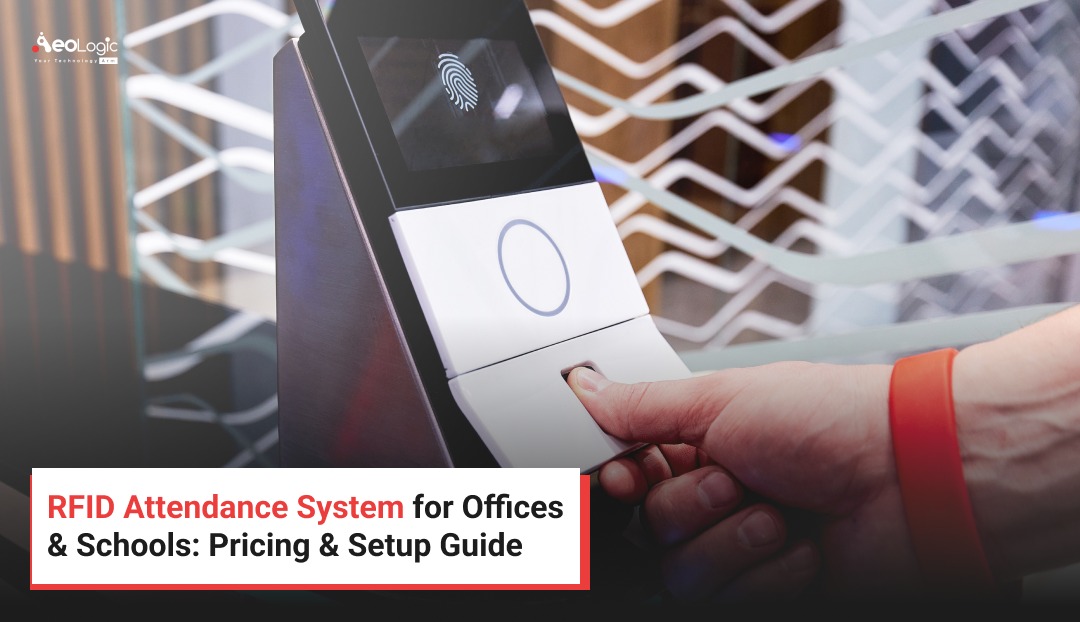

Tracking attendance may seem like a simple administrative task, but in reality, it plays a critical role in productivity, compliance, payroll accuracy, academic performance, and security. Traditional attendance methods—manual registers, punch cards, or biometric systems—are increasingly proving inefficient, time-consuming, and error-prone. This is where the RFID Attendance System emerges as a game-changing solution for both offices and educational institutions.
In today’s fast-paced digital environment, organizations are actively embracing automation to eliminate human error and gain real-time visibility into operations. RFID-based attendance systems offer a seamless, contactless, and highly accurate way to record attendance while integrating effortlessly with modern digital infrastructure. From corporate offices managing hybrid workforces to schools tracking student attendance securely, RFID technology has become a cornerstone of smart attendance management.
This guide explores everything you need to know about RFID attendance systems—what they are, why they matter, how they work, pricing considerations, setup processes, challenges, and future trends—so you can make an informed decision aligned with your digital transformation goals.
Understanding What an RFID Attendance System Is
An RFID Attendance System is an automated solution that uses Radio Frequency Identification technology to track and record attendance without manual intervention. Each user—employee or student—is assigned an RFID card, tag, or wearable embedded with a unique identification code. When the card comes within range of an RFID reader, attendance is logged automatically in the system. Unlike biometric systems that rely on fingerprints or facial recognition, RFID attendance solutions are contactless and faster. They reduce congestion at entry points and improve hygiene, which has become especially important in a post-pandemic world. RFID systems typically consist of RFID tags, RFID readers, middleware or software, and a centralized database. Together, these components create a robust attendance tracking ecosystem that works in real time.
Why RFID Attendance Systems Are Important in Today’s World
The modern workplace and education ecosystem have evolved dramatically. Remote work, flexible schedules, large campuses, security concerns, and compliance requirements demand smarter solutions. An RFID Attendance System addresses these challenges by offering:
-
Real-time attendance visibility
-
Automated data collection
-
Accurate reporting
-
Improved accountability
-
Enhanced security
In offices, accurate attendance has a direct impact on payroll, performance evaluations, and regulatory compliance. In schools, attendance affects academic outcomes, safety, and parental communication. RFID technology ensures data integrity while minimizing administrative workload. As organizations pursue digital transformation, attendance systems are no longer standalone tools. They are integrated platforms that connect with HR software, ERP systems, and analytics dashboards. Companies like Aeologic Technologies specialize in building such intelligent RFID-enabled ecosystems that support scalable growth.
Key Benefits of an RFID Attendance System
Accurate and Error-Free Attendance Tracking
An RFID Attendance System eliminates manual errors, buddy punching, and proxy attendance. Each RFID card carries a unique identity, ensuring that attendance data is recorded accurately and reliably every time a card is scanned.
Contactless and Time-Saving Operation
RFID attendance works without physical contact, allowing employees or students to mark attendance instantly. This significantly reduces queues at entry points and saves valuable time, especially in large offices and educational institutions.
Improved Productivity and Administrative Efficiency
By automating attendance tracking, administrative staff no longer need to maintain registers or verify records manually. This allows HR teams and school administrators to focus on higher-value tasks instead of repetitive data entry.
Seamless Integration with Existing Systems
An RFID Attendance System can easily integrate with HRMS, payroll software, ERP platforms, and school management systems. This enables automated salary calculations, leave management, and academic reporting without additional effort.
Enhanced Security and Access Control
RFID cards can be linked with access control systems to restrict entry to authorized areas only. This improves workplace and campus security while maintaining a clear log of movement and attendance.
Real-Time Monitoring and Reporting
Attendance data is captured in real time and stored digitally, making it easy to generate reports, track trends, and identify attendance patterns. Managers and administrators gain instant visibility into attendance status.
Scalable and Cost-Effective Solution
RFID attendance systems are highly scalable and can support growing organizations without major infrastructure changes. Over time, they reduce operational costs by minimizing errors, saving time, and improving overall efficiency.
How RFID Attendance Systems Are Used in Offices
In corporate environments, RFID attendance systems go beyond simple clock-in and clock-out functionality. They become a strategic tool for workforce management. Employees are issued RFID-enabled ID cards. When they enter the office, the RFID reader automatically logs their arrival time. Exit times are recorded similarly, providing accurate working hour calculations. The system can be integrated with HRMS platforms to automate payroll, overtime calculation, leave management, and compliance reporting. Managers gain access to dashboards showing attendance trends, absenteeism patterns, and productivity insights. In multi-location offices, centralized RFID attendance systems allow headquarters to monitor attendance across branches in real time. Aeologic Technologies helps enterprises design customized RFID attendance solutions that integrate seamlessly with existing enterprise software.
How RFID Attendance Systems Are Used in Schools and Colleges
Educational institutions face unique attendance challenges, especially with large student populations. Manual roll calls consume valuable teaching time and are susceptible to inaccuracies. An RFID Attendance System simplifies this process. Students carry RFID-enabled ID cards that automatically mark attendance when they enter classrooms, libraries, hostels, or buses. Teachers can access attendance records instantly, while administrators receive consolidated reports for compliance and academic tracking. Parents can also be notified via SMS or mobile apps if their child is absent, enhancing transparency and safety. RFID attendance systems can also be integrated with school ERP software to link attendance with grades, examinations, and fee management.
Pricing Factors of an RFID Attendance System
The cost of implementing an RFID attendance system varies depending on several factors. Understanding these components helps organizations budget effectively.
Hardware costs
Hardware costs include RFID cards or tags, readers, antennas, and access control devices. The quality and range of RFID readers significantly influence pricing.
Software costs
Software costs depend on whether you choose a cloud-based solution or an on-premise deployment. Advanced analytics, mobile access, and integration capabilities may add to the cost.
Installation and setup costs
Installation and setup costs involve site surveys, cabling, system configuration, and testing. Larger campuses or multi-location offices typically require higher setup investment.
Customization and integration expenses
Customization and integration expenses arise when businesses need the RFID attendance system to work seamlessly with existing HR, payroll, or ERP systems.
Maintenance and support costs
Maintenance and support costs cover system updates, troubleshooting, and hardware replacement. While the initial investment may seem high, the long-term ROI achieved through efficiency, accuracy, and reduced administrative effort makes RFID attendance systems highly cost-effective.
Setting Up an RFID Attendance System Successfully
Step 1: Assess Your Attendance Requirements
Begin by identifying your organization’s specific needs. Determine the number of users, entry and exit points, working hours or class schedules, and whether the RFID Attendance System needs to integrate with HR, payroll, or school management software. A clear understanding of requirements ensures the system is designed correctly from the start.
Step 2: Choose the Right RFID Technology
Select the appropriate RFID technology based on your environment. Low-frequency or high-frequency RFID works well for offices and classrooms, while ultra-high-frequency RFID is suitable for large campuses or multiple access points. Choosing the right technology helps avoid reading errors and performance issues.
Step 3: Plan Reader Placement and Infrastructure
Proper placement of RFID readers is critical for accurate attendance tracking. Readers should be installed at entry points where users naturally pass through. Network connectivity, power supply, and backup options should also be planned to ensure uninterrupted system performance.
Step 4: Install Hardware and Configure Software
Once planning is complete, install RFID readers, antennas, and access control devices. Configure the RFID attendance software to define user profiles, working hours, attendance rules, and reporting formats. This step ensures the system aligns with organizational policies.
Step 5: Integrate with Existing Systems
Connect the RFID Attendance System with existing HRMS, payroll, ERP, or school management platforms. Integration allows attendance data to flow automatically into salary calculations, leave management, or academic records, reducing manual work.
Step 6: Test the System Thoroughly
Before going live, conduct comprehensive testing under real working conditions. Check reading accuracy, system response time, data synchronization, and report generation. Testing helps identify and fix issues early.
Step 7: Train Users and Go Live
Provide basic training to employees, students, and staff on how to use the RFID cards correctly. Clear communication and simple guidelines ensure smooth adoption and long-term success of the RFID attendance system.
Aeologic Technologies supports end-to-end RFID attendance system deployment, from requirement analysis to post-launch optimization, ensuring long-term success.
Challenges in RFID Attendance Systems and Practical Solutions
Card Misuse and Proxy Attendance
One common challenge in an RFID Attendance System is the misuse of RFID cards, such as one person carrying another’s card to mark attendance.
Practical Solution: Integrate RFID attendance with access control systems, CCTV monitoring, or secondary authentication methods for sensitive areas. Clear policies and regular audits also discourage misuse.
Missed Reads and Signal Interference
RFID readers may sometimes fail to detect cards due to poor placement, signal interference, or low-quality hardware. This can lead to inaccurate attendance records.
Practical Solution: Conduct a proper site survey before installation and use high-quality RFID readers. Optimizing reader placement and configuring read ranges correctly helps minimize missed scans.
Data Security and Privacy Concerns
Attendance data contains sensitive personal information, making data security a critical concern for organizations and educational institutions.
Practical Solution: Implement encryption, secure cloud or on-premise servers, and role-based access controls. Regular software updates and compliance with data protection regulations further enhance security.
Integration with Existing Systems
Organizations may face difficulties integrating the RFID Attendance System with existing HR, payroll, or school management software.
Practical Solution: Choose an RFID solution that supports API-based integration and standard data formats. Working with experienced technology partners ensures smooth system compatibility.
User Resistance and Adoption Issues
Employees or students may resist adopting new technology due to unfamiliarity or fear of monitoring.
Practical Solution: Provide clear communication about the benefits, conduct basic training sessions, and offer user-friendly interfaces. Demonstrating time savings and accuracy helps build acceptance.
Maintenance and System Downtime
Hardware failures or lack of maintenance can disrupt attendance tracking.
Practical Solution: Schedule regular system maintenance, monitor hardware performance, and have technical support in place to ensure uninterrupted operation.
By addressing these challenges with practical solutions, organizations can maximize the efficiency and reliability of their RFID Attendance System.
Future Trends in RFID Attendance Systems
The future of RFID attendance systems is closely tied to broader digital transformation trends. Artificial intelligence and analytics will play a major role in extracting actionable insights from attendance data. Cloud-based RFID attendance systems will continue to gain popularity due to their scalability, remote accessibility, and lower infrastructure costs. Integration with IoT ecosystems will enable smarter campuses and offices, where attendance data interacts with lighting, HVAC, and security systems. Mobile-enabled RFID solutions will allow administrators and managers to access attendance data anytime, anywhere. As organizations increasingly seek holistic digital transformation consulting, RFID attendance systems will serve as foundational components of smart enterprise ecosystems. Companies like Aeologic Technologies are already pioneering advanced RFID solutions aligned with these future trends.
Conclusion
An RFID Attendance System is no longer a luxury—it is a necessity for modern offices and educational institutions striving for efficiency, accuracy, and security. By automating attendance tracking, organizations can eliminate errors, save time, and gain valuable insights that drive smarter decision-making. From pricing considerations to setup strategies, understanding the full scope of RFID attendance systems empowers organizations to implement solutions that deliver long-term value.
With the right technology partner, such as Aeologic Technologies, businesses and schools can ensure seamless deployment and future-ready scalability. As digital transformation accelerates, RFID attendance systems will continue to be a cornerstone of intelligent operations, enabling organizations to focus on growth rather than administrative burdens.
Frequently Asked Questions
Q1. What is an RFID Attendance System?
An RFID attendance system is an automated solution that records attendance using RFID cards and readers without manual input.
Q2. Is an RFID attendance system better than biometric systems?
Yes, RFID systems are faster, contactless, more hygienic, and easier to scale compared to biometric systems.
Q3. How much does an RFID attendance system cost?
Pricing depends on hardware, software, customization, and scale, typically ranging from basic setups to enterprise-level solutions.
Q4. Can RFID attendance systems integrate with HR or school ERP software?
Yes, modern RFID attendance systems integrate seamlessly with HRMS, payroll, and school management platforms.
Q5. Is RFID attendance data secure?
When implemented correctly with encryption and access controls, RFID attendance systems are highly secure.